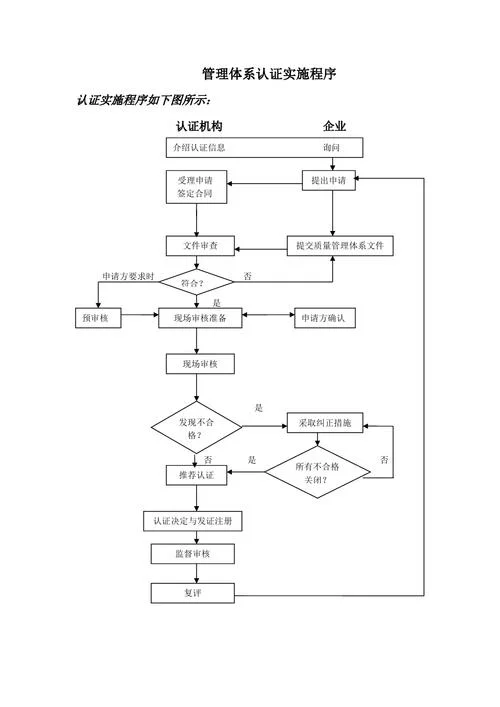
iso体系认证申请流程-ISO 体系认证申请流程
Navigating the ISO 14001:2015 Audit Roadmap: A Comprehensive Guide to Certification
Introduction
In an era where environmental sustainability is paramount for corporate governance, achieving ISO 14001:2015 certification has become a strategic imperative rather than just a compliance checkbox. This standard, focused on environmental management systems (EMS), provides organizations with a robust framework to identify, analyze, and control environmental aspects and impacts. Successfully navigating the ISO 14001:2015 audit process can significantly enhance a company's reputation among stakeholders, attract green financing, and reduce operational risks.
Understanding the Core Standard
Before diving into the application process, it is crucial to grasp the essence of ISO 14001:2015. Unlike its predecessors, this version shifts the focus from "compliance with legislation" to "continuous improvement." Key pillars include:
Life Cycle Thinking: From raw material extraction to end-of-life disposal.
Risk-based Approach: Integrating environmental risks into business decisions.
Management System Integration: Embedding environmental goals into the core business processes.
Step-by-Step Application Workflow
The journey to obtaining ISO 14001:2015 certification typically follows a structured five-phase approach:
Phase 1: Pre-Audit Preparation
The foundation lies in the organization's readiness. Gap Analysis: Conduct an internal self-assessment against the standard's requirements. Management Commitment: Top management must demonstrate active engagement. Electronically Submitted Audit (ESA): If the organization is ready, they may apply for the ESA first, allowing for a period of preparation before the full audit.Phase 2: The Audit Process
The audit is a collaborative effort between the Certification Body (CB) and the organization. Audit Team Composition: Typically includes internal auditors, external auditors, and often an environmental management consultant. Audit Method: A combination of record reviews, interviews with personnel, and site visits. Non-Conformities: The team will identify "major" and "minor" non-conformities. Corrective action plans are required to address these.Phase 3: Post-Audit Follow-up
After the audit report is issued, the organization doesn't stop there. Implementation Plan: Define specific steps to correct identified issues. Corrective Actions: Implement changes and monitor their effectiveness. Management Review: Senior management reviews the system's performance and effectiveness.Phase 4: Certification Decision
Based on the audit results and corrective action plan: Certification Decision: The CB issues a certificate. Certificate Term: Usually three years, renewable upon mutual agreement. Re-Validating Audit: Mandatory audits are required to maintain the certificate.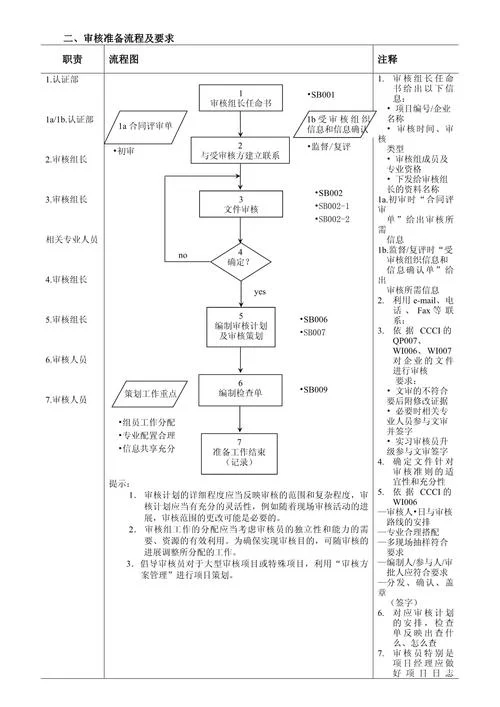
Phase 5: Maintenance and Renewal
Annual Surveillance Audit: To ensure continued compliance. Management Review: Reviewing the system's adequacy.Data-Driven Analysis: The Timeline and Costs
The timeline and financial investment required for ISO 14001:2015 certification vary significantly based on the organization's current maturity. The following table illustrates the typical timeline and cost structure for a mid-sized enterprise.
ISO 14001:2015 Audit Cost and Timeline Analysis
| Cost Item | Estimated Cost Range (USD) | Notes |
|---|---|---|
| Internal Audit Costs | 15,000 | Includes staff time, training, and document preparation. |
| External Audit Fees | 60,000+ | Varies by size of organization and complexity of the audit. |
| Certification Audit Fees | 25,000 | Included in the total external audit fee. |
| Staff Training & Workshops | 10,000 | Mandatory training for key personnel regarding the standard. |
| Third-Party Auditing Agency | 35,000 | Fees for the external auditor's reporting. |
| Total Estimated Cost | 125,000 | Excludes ongoing annual renewal costs. |
Key Insight: While the initial investment can be substantial, studies suggest that for smaller enterprises, the cost is often offset by reduced environmental liabilities, optimized resource usage, and improved brand value.
Common Challenges and Mitigation Strategies
Even with a clear roadmap, several obstacles frequently arise:
1. Lack of Dedicated Resources: Limited budgets or staffing.
Solution: Leverage third-party certification bodies with dedicated auditors.
2. Resistance to Change: Employees unwilling to adopt new sustainable practices.
Solution: Involve employees early in the process and demonstrate tangible benefits.
3. Complexity of Documentation: Difficulties in gathering and maintaining records.
Solution: Standardize documentation templates and utilize digital management systems.
Conclusion
Achieving ISO 14001:2015 certification is a journey of transformation rather than a destination. It requires a strategic approach, clear communication, and a commitment to continuous environmental improvement. By understanding the application workflow, preparing adequately, and managing the associated costs, organizations can successfully navigate this process. Ultimately, the goal is not merely to pass an audit, but to embed environmental sustainability into the very fabric of the business model.
---
Disclaimer: This article provides general information regarding the ISO 14001:2015 certification process and is for educational purposes only. Specific certification requirements should always be verified with the relevant Certification Body (e.g., TÜV, BSI, SGS).
声明:本站所有文章资源内容,如无特殊说明或标注,均为采集网络资源。如若本站内容侵犯了原著者的合法权益,可联系本站删除。