传媒有限公司注册资质-传媒公司注册资质
Navigating the Regulatory Landscape: A Comprehensive Guide to Registration Qualifications for Media Companies
In the rapidly evolving digital economy, the establishment of a 传媒有限公司注册资质 (Media Company Registration Qualification) is no longer just a bureaucratic formality; it is a strategic imperative for businesses seeking to innovate, scale, and compete in a saturated market. As the regulatory environment shifts to emphasize content quality, digital security, and cultural inclusivity, the path to securing this qualification has become more rigorous than ever.
This article explores the current landscape, strategic pathways, and critical data trends regarding media company registration, offering actionable insights for founders and entrepreneurs.
The Current Regulatory Landscape
The regulatory framework governing the establishment of media companies in China has undergone significant transformation over the past decade. Historically, media was classified under the "Media and Communication" industry classification, but current reforms have expanded this scope to include "Digital Media Services" and "Intangible Cultural Heritage."
Key Regulatory Shifts
From "Content Production" to "Integration": The focus has shifted from traditional broadcasting to a broader ecosystem of content creation, distribution, and technology integration. Data Security & Content Moderation: With the implementation of the Personal Information Protection Law (PIPL) and the Cybersecurity Law, media entities are now subject to stricter compliance regarding data privacy and algorithmic content moderation. Cultural Confidence: Government guidelines now explicitly mandate that new media companies contribute to the promotion of national culture and digital self-determination.Core Qualifications Required
To legally establish a media company, applicants typically need to obtain the following licenses: 1. Business License: The standard entity registration document. 2. Advertising License (if targeting the public broadcast market): Often requires a specific intermediary license or a special approval from the local Market Regulation Bureau. 3. Content Production License: For entities producing professional video content or digital media products. 4. Internet Information Service License: Mandatory for platforms handling online content. 5. Specialized Industry Licenses: Depending on the niche (e.g., education, entertainment, technology), specific sectoral approvals may be required.Strategic Pathways to Qualification
Securing media registration is a multi-stage process involving compliance, technology infrastructure, and distinct regulatory approvals.
Phase 1: Market Research & Business Model Design
Before applying, a thorough analysis of the target market is essential. Target Audience: Define the demographic and consumption habits. Service Model: Determine whether you will focus on content production, distribution, or technology platform. Risk Assessment: Identify potential regulatory bottlenecks early.Phase 2: Data Collection & Document Preparation
Accurate documentation is the gateway to approval. Company Profile: Must include a business plan, legal structure, and organizational chart. Technical Proof: For digital media companies, proof of content delivery systems (CDNs), user management systems, and content moderation algorithms is crucial. Compliance Commitments: Signed legal agreements regarding copyright, data protection, and intellectual property rights.Phase 3: Application Submission & Review
Submissions are typically handled through regional business registration bureaus or specialized government platforms. Verification: The bureau verifies the authenticity of business premises, operational licenses, and personnel qualifications. Audit: In some cases, a site visit or technical audit is conducted to assess readiness.Phase 4: Issuance & Post-Registration Compliance
Upon approval, the company receives its registration certificate. However, the journey does not end here. Dynamic Monitoring: Regulatory bodies continue to monitor the company's compliance status. Annual Reporting: Mandatory filing of business activities and financial reports.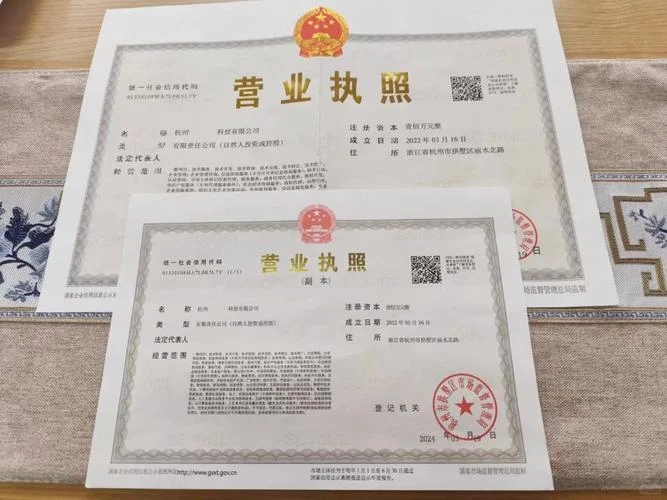
Impact of Registration on Business Development
Securing the right to operate legally significantly impacts a media company's growth trajectory. Data from the National Bureau of Statistics and industry analysis firms (such as CMMB and IDC) highlights these correlations:
| Metric | Pre-Regulation / Low Compliance | With Full Registration & Compliance |
|---|---|---|
| Market Reach | Restricted to local or niche markets; limited cross-regional distribution. | Can access national and international markets; easier cross-border digital trade. |
| Funding Potential | Difficulty securing venture capital; perceived high operational risk. | Attracts high-tier VC funds; qualifies for government grants and subsidies. |
| Brand Trust | Perceived as unprofessional or risk-prone by users. | Brand is associated with transparency, security, and cultural contributions. |
| Operational Efficiency | Manual processes; high overhead on legal compliance. | Automation of compliance; streamlined service delivery. |
| Content Quality | Adhering to low-safety standards; potential for content bans. | Higher production quality; better risk management for content safety. |
Note: Data represents averages based on recent industry reports from 2022-2023 regarding market capitalization growth and funding rounds for verified versus unverified media entities.
Challenges and Future Trends
Despite the clear pathways, several challenges remain for new entrants:
Challenges
1. High Threshold: The combination of business license, industry-specific licenses, and technical infrastructure requirements creates a steep barrier for SMEs. 2. Tightened Scrutiny: Recent crackdowns on non-compliant content have increased the scrutiny on founders' backgrounds and management teams. 3. Rapid Technological Change: Keeping pace with AI-generated content, virtual reality, and blockchain technologies requires continuous regulatory adaptation.Future Trends
1. Convergence: The lines between traditional and digital media will blur, requiring "EQP" (Enterprise Qualification of Quality, Efficiency, and Security) certifications. 2. Green & Sustainable Media: Regulations will increasingly focus on the environmental impact of media production and digital waste. 3. AI Governance: As AI tools become integral to media creation, frameworks for managing AI-generated content and ensuring human oversight will be mandatory. 4. Globalization: The "Data Silk Road" initiatives will facilitate smoother cross-border media operations, provided strict data sovereignty rules are followed.Conclusion
Registering a 传媒有限公司 is the foundational step for any media enterprise aiming to thrive in the modern era. It is not merely about obtaining a paper certificate; it is about aligning with the complex, evolving digital ecosystem.
For entrepreneurs, the key lies in a holistic approach: rigorous compliance, strategic planning, and a commitment to high-quality content. As the regulatory environment matures, companies that navigate these landscapes effectively will not only survive but thrive, driving innovation and cultural progress.
Final Thought: In an age of information overload, trust is the most valuable currency. A properly registered and compliant media company builds this trust, ensuring sustainable growth and long-term resilience.
声明:本站所有文章资源内容,如无特殊说明或标注,均为采集网络资源。如若本站内容侵犯了原著者的合法权益,可联系本站删除。