三级房地产资质办理-三级房地产资质办理
navigating the regulatory landscape: A Comprehensive Guide to Third-Rate Real Estate Qualification (Level III Real Estate Qualification)
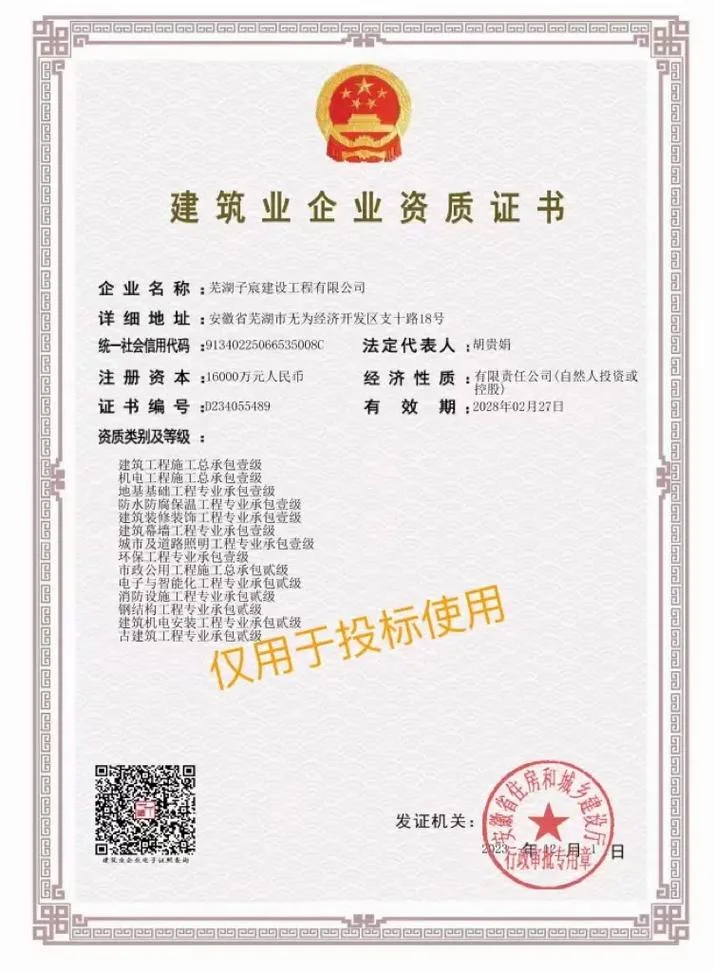
In the evolving landscape of China's real estate industry, understanding the nuances of Level III Real Estate Qualification (三级房地产资质办理) is not merely a bureaucratic task; it is a strategic imperative for developers, investors, and property management entities. As the national real estate market undergoes significant transformations, having the correct qualification is often the prerequisite for engaging with government projects, securing financing, and ensuring legal compliance.
This article provides a deep dive into the process, requirements, challenges, and future outlook of Level III Real Estate Qualification.
Why Does Level III Qualification Matter?
The distinction between Level I, II, and III real estate qualifications reflects the increasing complexity of the real estate ecosystem. While Level I qualifications are typically reserved for national-level flagship projects or government-led initiatives, Level III qualifications serve as the backbone for thousands of private developers, local housing companies, and specialized property management firms.
Key Implications of Having Level III Qualification:
Project Financing: Banks and financial institutions require Level III qualifications as a primary criterion for lending to developers and public institutions. Without it, securing a mortgage loan becomes nearly impossible. Government Procurement: Many government projects mandate Level III or higher as a "prerequisite" for bidding. Market Entry: It is the standard entry-level license for most commercial property development companies in China. Asset Management: It enables the operation of property management companies, allowing them to manage residential complexes, commercial districts, and multi-tenant environments.Note: Level III qualifications are generally issued by the local Real Estate Development and Management Bureau (房管局) of the provincial or municipal government.
The Application Process: A Step-by-Step Guide
The qualification process is rigorous and highly competitive. It typically spans three to four months, depending on the applicant's location and the specific needs of the local bureau.
Phase 1: Preparation and Feasibility Study
Before applying, potential applicants must conduct a thorough feasibility study. This includes: Analyzing the local market demand. Assessing the financial stability of the company (usually requiring a minimum equity of 50% and a projected revenue of at least 60 million RMB). Ensuring the project plan complies with local zoning laws and planning permissions.Phase 2: Document Submission and Review
The core of the application involves submitting various documents to the local Real Estate Bureau. These documents are usually submitted in a blanket application format (indicating the applicant is willing to apply for multiple qualifications).Required Documents typically include:
1. Business License and Registered Capital Proof.
2. Financial Statements (2 years).
3. Project Plan and Approval Documents.
4. Labor and Safety Management Plans.
5. Social Security and Insurance Certificates.
6. Professional Qualifications of Key Personnel (Architects, Engineers, Managers).
Phase 3: On-site Inspection and Site Survey
A critical component of the approval process is the site survey. The inspection team will verify: The actual layout of the land. The quality of the foundation and soil conditions. The construction progress and compliance with design standards.Phase 4: Decision and Issuance
Based on the inspection results and the applicant's submission of completed construction projects (or proof of construction capability), the local Real Estate Bureau makes the final decision. Successful applicants receive the Level III Real Estate Qualification Certificate, which is valid for 3 years.Key Requirements and Standards
To be approved for Level III qualification, an applicant must meet strict quantitative and qualitative benchmarks set by the government.
| Requirement Category | Specific Criteria (Standard Reference) |
|---|---|
| Company Capital | Minimum registered capital of 500 million RMB (Note: This threshold varies by city; some tier-3 cities may have lower thresholds for specific areas). |
| Financial Health | Accumulated annual operating income of at least 60 million RMB for the last 2 years. |
| Staffing | A team of key management personnel with 5+ years of experience in real estate development or management. |
| Project Experience | At least one completed commercial building or residential project of the same or higher standard within the last 2 years. |
| Labor Safety | A comprehensive labor safety management plan approved by local authorities. |
| Social Security | Full coverage of social insurance (pension, medical, unemployment) for all employees. |
| Environmental Impact | Sufficient environmental protection capacity to handle construction dust, noise, and waste. |
Regional Variations
It is crucial to note that Level III qualifications are issued locally. The requirements, such as capital thresholds and staff experience, differ significantly from one city to another. For instance, a developer in a Tier-3 city may have different financial expectations than one in a Tier-1 or Tier-2 city.Challenges and Strategies for Success
Navigating the Level III qualification process is demanding due to its high barrier to entry.
Common Challenges:
1. Financial Pressure: Many applicants struggle to meet the 60 million RMB annual operating income requirement quickly. 2. Market Volatility: In a cold market, securing a completed project may take longer than expected, delaying the timeline. 3. Compliance Risks: Failing the site inspection or submitting inaccurate documents can result in a rejection, requiring re-application.Strategic Advice:
Start Early: Begin the feasibility study immediately to understand the cost and timeline. Focus on Efficiency: Streamline document preparation and coordinate closely with the local branch to avoid delays. Build a Strong Team: Invest in hiring experienced developers and construction managers to ensure the project portfolio is robust. Monitor Regional Policies: Keep abreast of specific municipal regulations, as local bureaus often have internal KPIs and approval speeds that differ from provincial standards.Future Outlook: Trends in Level III Qualification
As China's real estate industry moves toward a more sustainable and integrated model, the definition of Level III qualifications is also evolving.
Integration with New Quality Productive Forces: The qualification process is increasingly tied to the broader goals of "New Quality Productive Forces," emphasizing not just construction, but also technology integration, green building standards, and smart city solutions.
Digitalization: We can expect to see greater digitalization in the application process, with more automated document verification and real-time data monitoring from the local bureau.
Strictening of Licensing: With the government aiming to curb excessive land use and project overcapacity, the approval of Level III qualifications will likely become more selective, prioritizing high-quality, sustainable projects over those driven purely by speculation.
Conclusion
Obtaining Level III Real Estate Qualification is a pivotal step in the journey of a real estate enterprise from startup to market maturity. It is a testament to the company's financial strength, management capability, and commitment to compliance. While the process involves rigorous financial and technical hurdles, those who navigate it strategically are better positioned to secure projects, attract investment, and lead the industry forward.
For those looking to enter or expand within the Chinese real estate sector, understanding the nuances of Level III qualifications is the first step toward a successful and sustainable business model.
声明:本站所有文章资源内容,如无特殊说明或标注,均为采集网络资源。如若本站内容侵犯了原著者的合法权益,可联系本站删除。